Blackjack Promotion Layers Evolve with Regional Player Preferences
Anna Beck · Nov 5, 2026
Blackjack Promotion Layers Evolve with Regional Player Preferences
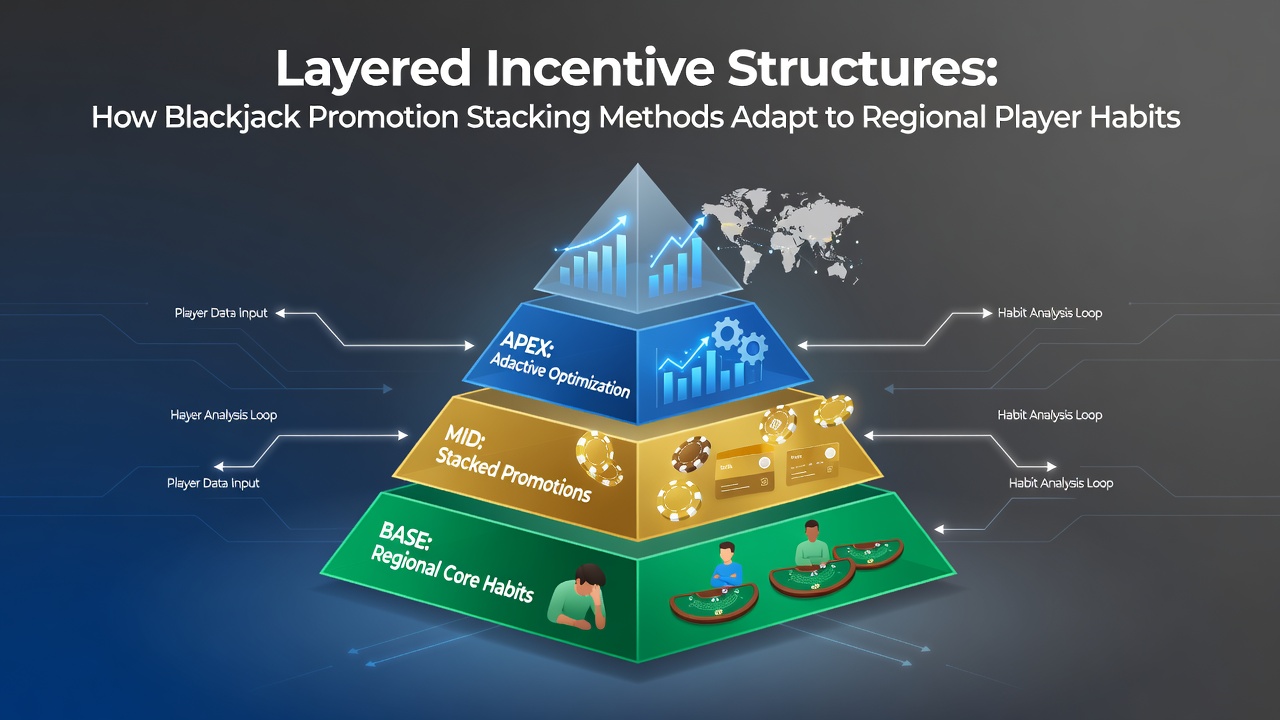
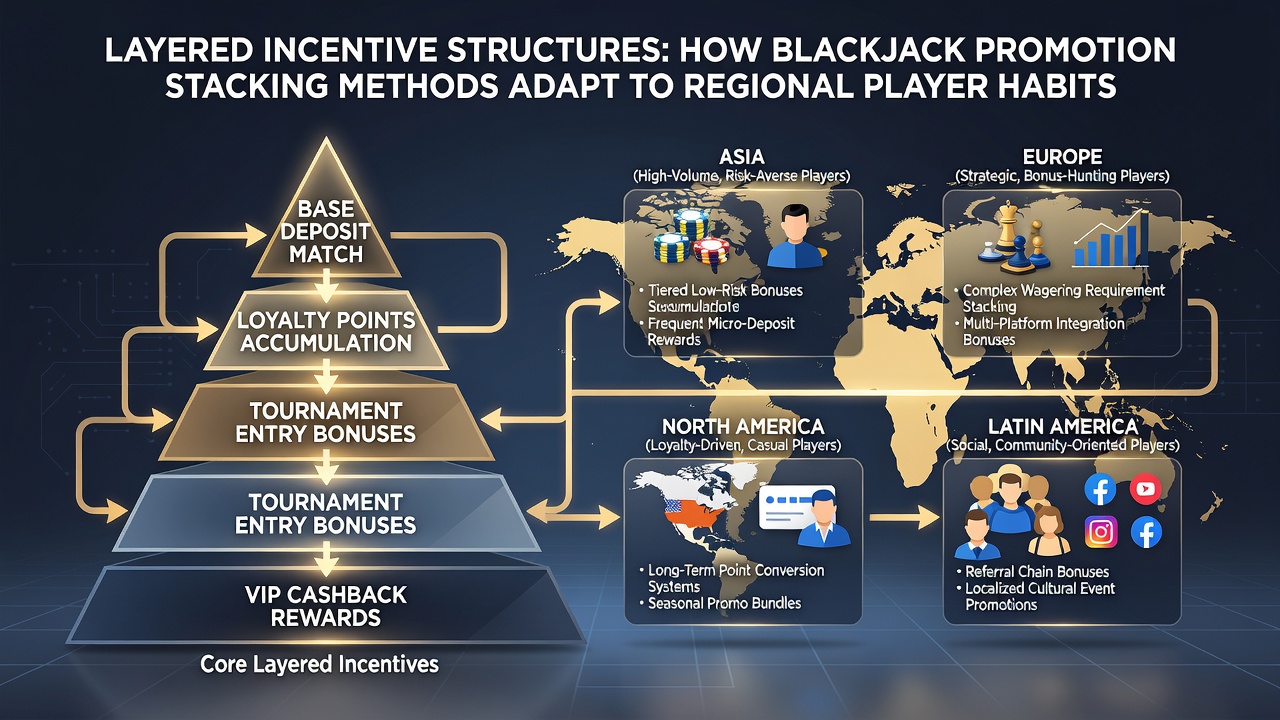
Layered incentive structures in blackjack combine multiple promotion types such as deposit matches, cashback tiers, and loyalty points into single player accounts, and these systems adjust based on documented regional habits tracked by operators across markets. Data from various jurisdictions show that stacking methods shift when player behavior patterns differ by location, with North American users favoring reload sequences while Asian markets lean toward tournament entry bundles.
Regional Data Patterns in Promotion Design
Operators monitor deposit frequency, session length, and game selection statistics to build stacks that align with local trends, and figures from the Nevada Gaming Control Board indicate higher reload uptake among players in western states during peak evening hours. European operators meanwhile prioritize cashback layers after losses because transaction logs reveal steadier but lower-volume play in those regions.
Analysts at research institutions compile these metrics into adaptive models that trigger automatic bonus adjustments, and one study from a Canadian university tracked how Quebec players stacked loyalty multipliers more aggressively than Ontario counterparts over identical six-month periods. Such variations lead platforms to offer region-specific stacking rules rather than uniform global programs.
Stacking Mechanics Across Markets
Blackjack promotion stacking works by layering qualifying conditions so that a single deposit activates both a match bonus and a separate free-play credit, yet the order of redemption changes according to local regulations and habit data. In markets where players complete wagering requirements faster, operators add progressive tiers that unlock additional layers after initial completion, and this approach appears in several Australian state reports that link faster clearance rates to higher average bet sizes.
What's interesting is how mobile session data influences these mechanics, since shorter play intervals in certain urban centers prompt operators to front-load smaller instant rewards before larger conditional layers activate. Observers note that this sequencing reduces early drop-off rates without altering overall bonus values.
November 2026 updates to compliance frameworks in multiple jurisdictions are expected to require clearer disclosure of stacking order, which may further differentiate regional offerings as operators refine their systems to meet new transparency standards while preserving habit-based customization.
Player Behavior and Geographic Influences
Research indicates that time-of-day preferences affect which layers operators emphasize first, with late-night sessions in some North American regions showing stronger responses to referral bonuses stacked atop standard deposit matches. In contrast, daytime play logs from parts of Asia highlight greater engagement when tournament buy-ins form the base layer and cashback sits on top.
Those who've examined cross-border data find that currency fluctuation periods correlate with increased use of no-wagering top layers in certain markets, and this pattern holds across multiple operator reports without requiring changes to base bonus percentages. Platforms therefore maintain separate rule sets for each region rather than applying one global stack.
Future Adjustments and Industry Tracking
Industry groups continue to publish aggregate statistics that track how stacking adapts over time, and these reports help operators anticipate shifts when new player demographics enter specific markets. Evidence suggests that as digital platforms expand, the core principle remains the same: match the sequence and visibility of each layer to documented local habits instead of assuming uniform behavior.
Regulatory filings from various bodies show ongoing reviews of these adaptive systems, particularly around how multiple layers interact with responsible gaming limits, and this oversight encourages operators to maintain clear regional distinctions in their promotion structures.
Conclusion
Layered blackjack incentives continue to refine themselves through ongoing analysis of regional player data, resulting in stacking methods that reflect documented differences in deposit patterns, session timing, and preferred reward types across markets. Operators rely on these measurable habits to determine layer order and activation triggers, and this approach maintains relevance as player bases and regulatory environments evolve.