Blackjack Incentives as Retention Tools: Investigating Custom Offer Algorithms in Virtual Casinos
Ulrich Keller · Oct 8, 2026

Blackjack Incentives as Retention Tools: Investigating Custom Offer Algorithms in Virtual Casinos
Virtual casinos deploy custom offer algorithms to convert one-time blackjack players into long-term participants, and these systems analyze gameplay patterns in real time to adjust incentives that match individual behavior. Data collection begins the moment a user logs in, tracking metrics such as average bet size, session length, frequency of play, and response rates to previous promotions. Researchers at institutions studying digital gaming have documented how machine learning models then segment users into categories that trigger tailored rewards ranging from targeted deposit matches to dynamic cashback percentages.
Mechanics Behind Personalized Blackjack Offers
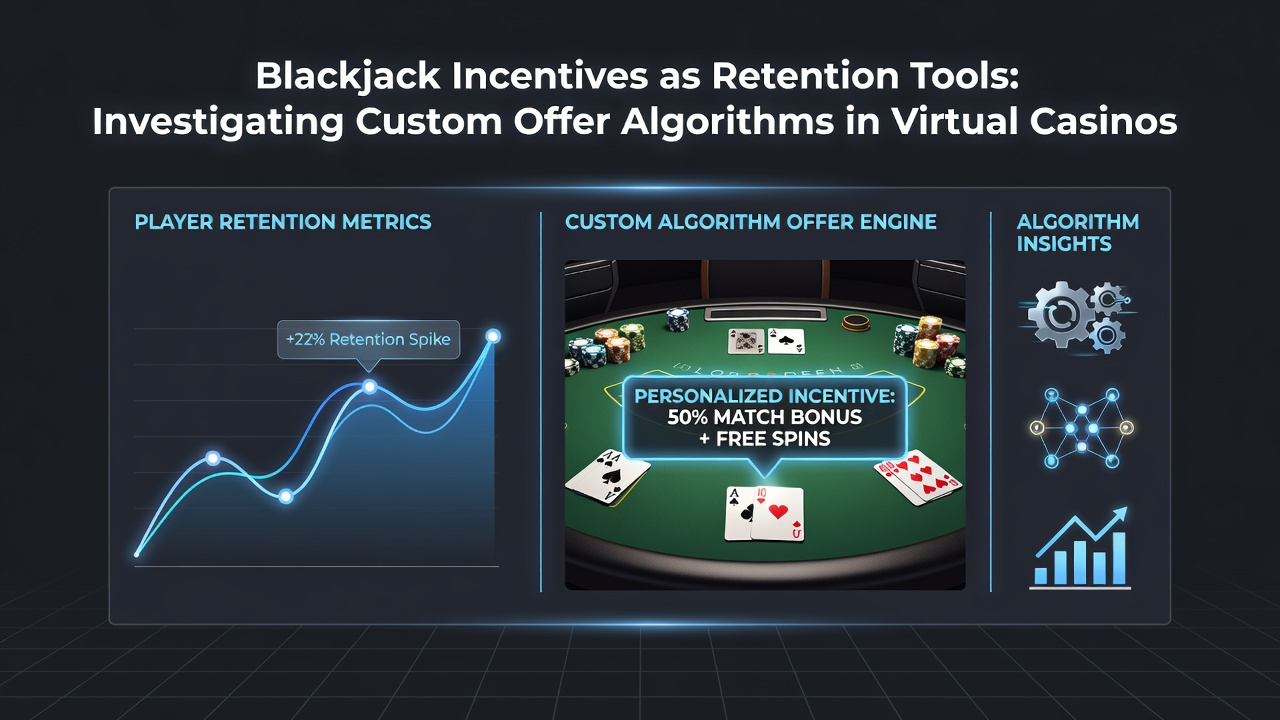
Algorithms process vast datasets to predict which incentive will most effectively extend a player's engagement, and they adjust parameters like bonus amounts or wagering multipliers based on live performance indicators rather than static rules. For instance, a player who consistently bets higher after receiving a small reload bonus might receive progressively larger offers on subsequent logins, while someone who prefers low-stakes tables could see promotions that emphasize extended playtime credits. This approach differs from blanket campaigns because it relies on continuous feedback loops that refine predictions with each hand played.
Studies from gaming research centers indicate that retention rates improve when offers align closely with demonstrated preferences, and operators report measurable lifts in repeat visits during periods when algorithmic personalization reaches higher accuracy thresholds. In October 2026 several platforms introduced updated models that incorporate geographic and device data alongside traditional play metrics, allowing even finer segmentation across regional player pools.
Retention Impact Measured Across Platforms
Industry reports compiled by organizations such as the American Gaming Association show that casinos using behavior-driven algorithms maintain higher monthly active user figures for blackjack tables compared with those relying on generic promotions. One analysis of aggregated platform data revealed that players receiving at least three algorithmically matched offers per month extended their average lifetime value by measurable margins over control groups exposed to standard campaigns. These findings align with observations from European operators who have integrated similar systems across multiple jurisdictions.
Yet the same systems also introduce operational complexities because regulatory frameworks in various regions require transparency around how personal data shapes promotional decisions. Observers note that platforms must balance algorithmic sophistication with compliance requirements that limit certain types of behavioral targeting, particularly when cross-border player information is involved. In practice this means some operators maintain separate algorithm versions for different markets to stay within local guidelines.
Case Examples of Algorithm Deployment
Take one mid-sized operator that implemented a custom model in early 2025 and observed a 14 percent increase in blackjack session frequency among users who had previously shown signs of declining activity. The algorithm identified these players through drops in bet frequency and responded with time-limited incentives tied directly to their historical stake levels. Another platform applied clustering techniques to separate recreational participants from more dedicated grinders, then routed each group toward distinct reward structures that encouraged continued participation without overextending bonus liabilities.
Figures from academic reviews of online gaming behavior confirm that such targeted interventions produce stronger retention outcomes than uniform bonus structures, especially when the underlying data includes both win-loss ratios and interaction patterns with the user interface. Those who have examined these deployments emphasize that success depends on regular model retraining to account for shifting player preferences over time.
Regulatory and Technical Considerations in 2026
By October 2026 several jurisdictions had begun requiring operators to disclose the primary factors influencing algorithmic offer generation, prompting some platforms to publish simplified explanations of their personalization logic. Technical teams continue to refine these systems by incorporating new variables such as device type and time-of-day patterns, while maintaining audit trails that satisfy oversight bodies. Research institutions tracking these developments report steady adoption rates across both established and emerging markets.
Conclusion
Custom offer algorithms now form a core component of blackjack retention strategies in virtual casinos, driven by detailed behavioral analysis that shapes individualized incentives. As data collection methods and regulatory expectations evolve, operators refine their models to sustain player engagement while meeting transparency standards across regions. The result is an increasingly precise system that connects specific gameplay signals with targeted rewards designed to prolong participation.